



The Principles of Pulse Diagnosis in TCM
Pulse diagnosis is a cornerstone of Traditional Chinese Medicine, offering insights into the body’s internal condition through palpable rhythms. TCM practitioners believe that the pulse reflects not only the state of the organs but also the overall vitality and balance of Qi (energy) within the body. This technique involves feeling the pulse at various positions on the wrist, each corresponding to different organ systems. Each pulse position provides unique information. For instance, the left wrist typically relates to the heart and kidney, while the right wrist corresponds to the lungs and spleen. Practitioners assess the pulse’s quality—such as its strength, speed, and depth—to diagnose imbalances or health issues. By interpreting these characteristics, TCM practitioners can identify underlying problems and tailor treatments accordingly. Moreover, pulse diagnosis is often complemented by other diagnostic methods, such as tongue examination and patient history. This holistic approach allows for a more comprehensive understanding of an individual’s health, enabling personalized treatment plans that address specific needs.

Types of Pulses and Their Significance
In TCM, there are several types of pulses, each with distinct meanings. Common pulse types include the wiry, slippery, and weak pulses. A wiry pulse, for example, suggests stress or tension within the body, often associated with liver issues. In contrast, a slippery pulse may indicate phlegm accumulation or digestive disorders, reflecting excess moisture in the system. The weak pulse, characterized by its faintness, often points to deficiency in Qi or blood. It may indicate fatigue, weakness, or chronic conditions that require attention. Understanding these pulse types is essential for TCM practitioners to make informed decisions regarding treatment options, including herbal remedies and acupuncture. Additionally, the pulse can change due to factors like emotional state, diet, and physical activity. Therefore, practitioners consider the context of the pulse readings, ensuring that they provide a holistic view of the patient’s health. This adaptability makes pulse diagnosis a dynamic tool in TCM.
The Art of Pulse Taking: Techniques and Training
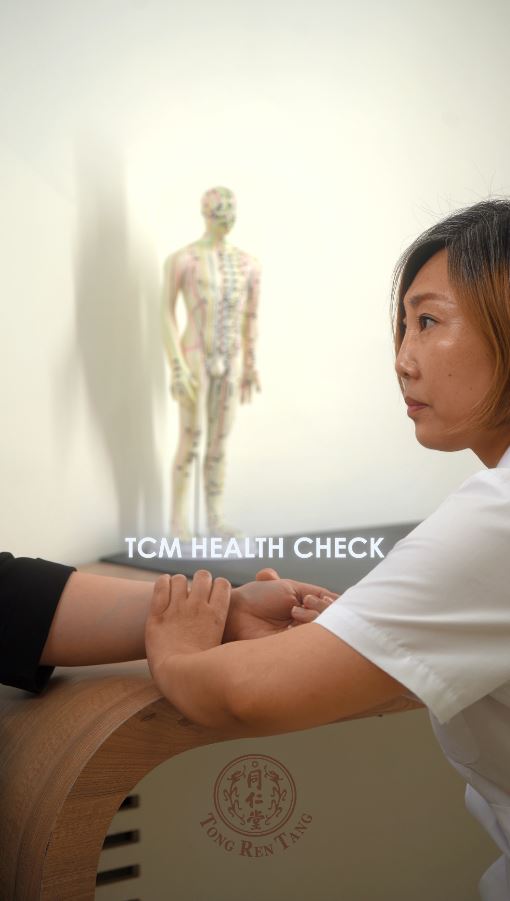
The art of pulse taking requires extensive training and practice, as it involves not just physical touch but intuitive understanding. TCM practitioners spend years honing their skills, learning to discern subtle variations in pulse qualities. The technique involves applying different levels of pressure to accurately gauge the pulse’s characteristics. Experts suggest that a successful pulse examination involves calming the patient and creating a peaceful environment. This helps stabilize the pulse, allowing for a more accurate reading. Moreover, practitioners must be attuned to their own energy levels, as their state can influence the diagnosis process. Through continuous education and practice, TCM practitioners develop a refined sense of touch, enabling them to interpret pulses accurately. This expertise is crucial for effective treatment, as each pulse reading contributes to a fuller picture of the patient’s health status.
Ready to Regain Your Health Naturally?
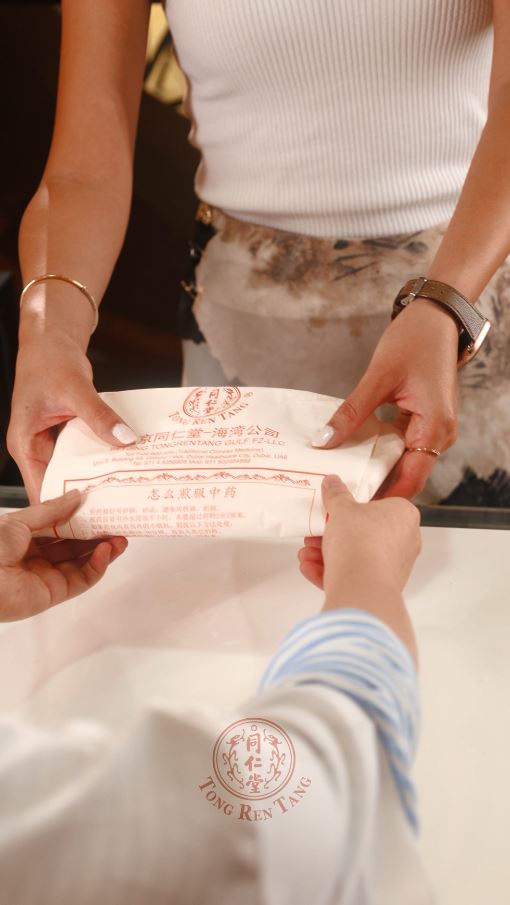
At Beijing Tong Ren Tang Clinic in Dubai, our licensed TCM practitioners specialize in personalized care that treats the root cause of vertigo. Book your consultation today and take your first step toward lasting balance and relief. Visit us: www.trtgulf.com or call us at 800826