


# Is Traditional Chinese Medicine Effective for Chronic Illness?
Historical Context of Traditional Chinese Medicine
Traditional Chinese Medicine (TCM) has a rich history that spans thousands of years. This ancient healing system is grounded in holistic principles, emphasizing the balance of qi (vital energy), yin and yang, and the interplay of bodily organs. Many people have turned to TCM for chronic illnesses due to its unique approach to health and well-being. The historical use of herbs, acupuncture, and dietary therapy in TCM has proven effective for various conditions. Practitioners believe that by addressing the underlying causes rather than just the symptoms, they can provide more sustainable relief. This perspective is particularly appealing to those suffering from chronic ailments where conventional medicine often falls short. In recent years, numerous studies have begun to validate some aspects of TCM. Research has shown that certain herbal remedies can alleviate symptoms associated with chronic illnesses, such as arthritis, fibromyalgia, and digestive disorders. Though skepticism remains, the growing body of evidence suggests that TCM may offer valuable benefits alongside conventional treatments.
Mechanisms of Action in TCM
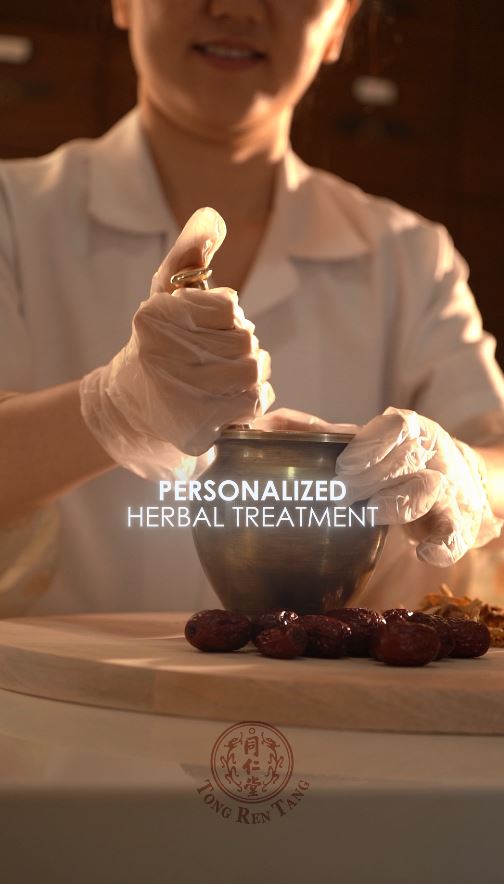
One of the key mechanisms of action in Traditional Chinese Medicine is the concept of restoring balance within the body. TCM practitioners assess patients holistically, considering their physical, emotional, and spiritual health. This comprehensive view allows them to tailor treatments that address individual needs, which can be particularly effective for chronic diseases. Acupuncture, a cornerstone of TCM, stimulates specific points on the body to promote healing and alleviate pain. Studies suggest that acupuncture can enhance blood flow, reduce inflammation, and even trigger the release of natural painkillers like endorphins. These effects can lead to improved quality of life for individuals with chronic conditions. Herbal medicine is another significant component of TCM. The use of customized herbal formulas can target specific symptoms and underlying imbalances. For instance, certain herbs are known to strengthen the immune system or improve digestion, providing a multifaceted approach to chronic illness management. Some patients report noticeable improvements in their condition after incorporating these remedies into their treatment regimens.
Patient Experiences with TCM
Many patients with chronic illnesses have shared positive experiences with Traditional Chinese Medicine. They often report a reduction in symptoms, enhanced overall well-being, and a greater sense of control over their health. Unlike some conventional treatments that may come with side effects, TCM therapies are generally viewed as gentler and more supportive. However, individual responses to TCM can vary significantly. While some patients experience remarkable benefits, others may find limited relief. It’s essential for individuals to consult with qualified TCM practitioners who can provide personalized assessments and treatment plans. Open communication about existing medical conditions and ongoing treatments is crucial to ensure safety and effectiveness. Despite the varying results, many people appreciate TCM’s patient-centered approach. The time spent discussing lifestyle, diet, and emotional health often fosters a deeper connection between practitioners and patients, which can enhance the healing process. As a result, TCM is increasingly becoming a popular complementary option for those managing chronic illnesses.

Ready to Regain Your Health Naturally?
At Beijing Tong Ren Tang Clinic in Dubai, our licensed TCM practitioners specialize in personalized care that treats the root cause of vertigo. Book your consultation today and take your first step toward lasting balance and relief. Visit us: www.trtgulf.com or call us at 800826