



Understanding Meridian Blockage
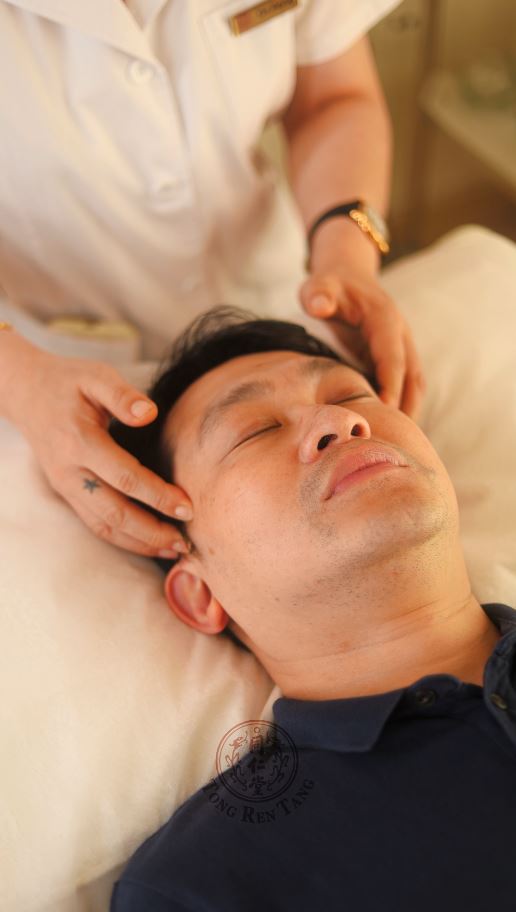
Meridian blockage is a concept central to Traditional Chinese Medicine (TCM), which views the body as a network of energy pathways or meridians. These meridians are believed to carry Qi (pronounced “chee”), the vital life force that sustains health and well-being. When these pathways become blocked, it can lead to various health issues, including back pain. In TCM, back pain is often not merely seen as a physical ailment but as an indication of underlying imbalances within the body’s energy flow. Factors such as stress, poor posture, and sedentary lifestyles can contribute to this blockage, resulting in pain and discomfort. By addressing these blockages, TCM aims to restore harmony and alleviate symptoms. The approach to treating meridian blockage involves several techniques, including acupuncture, herbal medicine, and various therapeutic exercises. Acupuncture, for instance, targets specific points along the meridians to release tension and promote the flow of Qi. This holistic approach distinguishes TCM from conventional Western medicine, which typically focuses on symptom management rather than root causes.

Treatment Techniques in TCM
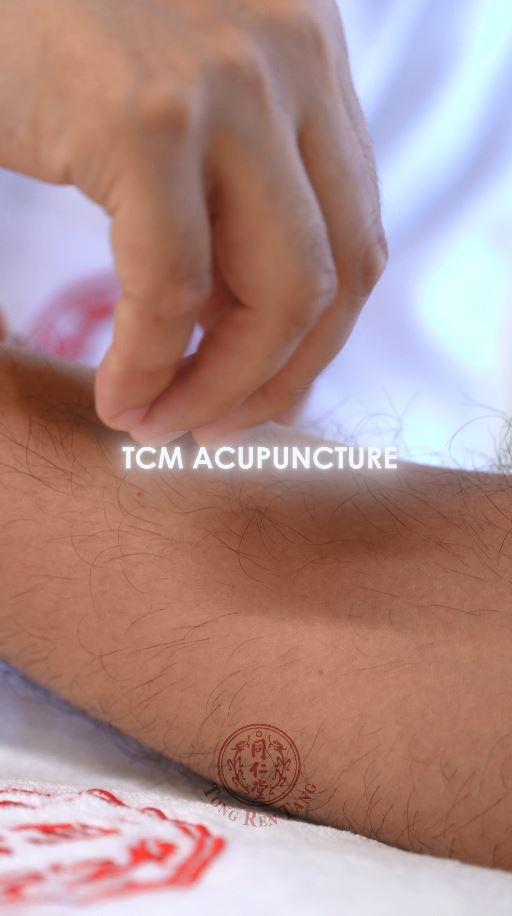
Acupuncture is perhaps the most well-known treatment method in TCM for back pain. Practitioners insert fine needles into specific points on the body to stimulate the flow of Qi and relieve pain. This technique can be particularly effective for chronic back pain, as it not only alleviates symptoms but also addresses the underlying meridian blockages that may be contributing to the issue. Herbal medicine also plays a crucial role in TCM. Various herbs are used to create personalized formulas tailored to the individual’s specific condition. These herbal remedies work synergistically with acupuncture to enhance the overall healing process. For example, certain herbs may help reduce inflammation and improve circulation, further supporting the body’s natural ability to heal itself. Additionally, TCM emphasizes lifestyle changes and exercises, such as Tai Chi and Qi Gong, which promote flexibility, relaxation, and balance. These practices not only help in managing back pain but also contribute to overall well-being by fostering a deeper connection between the mind and body.
The Benefits of TCM for Back Pain Relief
One significant benefit of TCM in treating back pain is its holistic approach. Instead of merely masking the symptoms with pain relievers, TCM seeks to identify and treat the root cause of the pain. This comprehensive perspective often leads to more sustainable results and improved quality of life over time. Moreover, TCM therapies are generally well-tolerated and have minimal side effects compared to many conventional pain management options. Patients often report experiencing a greater sense of relaxation and well-being following TCM treatments. This is particularly important, as emotional and psychological factors can significantly influence the perception of pain. Lastly, TCM encourages patients to take an active role in their health through education and self-care practices. This empowerment can enhance the effectiveness of treatment and promote long-term health benefits. By understanding their own bodies and the factors that contribute to pain, individuals can make informed choices that support their healing journey.

Ready to Regain Your Health Naturally?
At Beijing Tong Ren Tang Clinic in Dubai, our licensed TCM practitioners specialize in personalized care that treats the root cause of vertigo. Book your consultation today and take your first step toward lasting balance and relief. Visit us: www.trtgulf.com or call us at 800826